Multi-court padel projects often involve the installation of several courts at the same sports facility. These projects require coordinated deliveries of tempered glass, steel frames, mesh fencing, artificial turf, lighting, and accessories.
For international contractors, padel court distributors, and sports facility developers, phased delivery planning can help improve installation efficiency and reduce material management problems.
1. Why Are Phased Deliveries Important?
Large padel court projects may not have enough storage space to receive all materials simultaneously.
Delivering components in planned stages can help contractors manage site access, unloading equipment, storage areas, and installation schedules.
However, deliveries must follow the actual construction sequence. Receiving glass panels before the supporting structures are ready may increase storage and handling requirements.
2. Coordinate Materials With Installation Stages
Different padel court components are required at different stages of construction.
Steel structures and fixing accessories must be available before certain glass installation activities can begin. Artificial turf installation depends on the preparation of the playing surface, while lighting equipment should be coordinated with electrical and structural work.
Buyers should establish a material delivery schedule with the installation contractor before confirming shipment dates.
3. Organize Components by Court Number
For projects involving multiple courts, clear identification of materials is important.
Glass panels, steel posts, mesh sections, and installation accessories can be organized according to their designated court numbers.
For example, materials intended for Court 1 should be clearly distinguished from those intended for Court 2.
This approach can reduce sorting time and help prevent components from being installed in the wrong location.
4. Prepare Accurate Packing Lists
An accurate packing list is essential for phased international shipments.
Each shipment should identify the included components, quantities, package numbers, and corresponding court areas.
For custom glass panels, linking package identification to approved drawings can make receiving inspections and installation preparation more efficient.
Buyers should also confirm whether replacement parts and spare accessories are included in the shipment.
5. Consider Shipping and Storage Conditions
International padel court projects may involve long transportation distances and several handling stages.
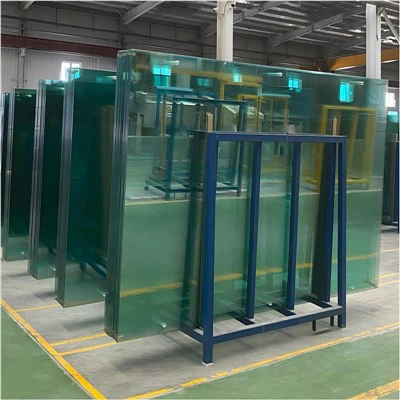
Glass panels require suitable protective packaging, while steel components and accessories should be protected according to their materials and environmental exposure.
When materials arrive before installation, contractors should prepare appropriate storage conditions and handling arrangements.
6. What Should B2B Buyers Confirm?
Clear communication between the supplier, freight forwarder, and installation contractor can help reduce avoidable delays.
Phased delivery planning is an important consideration for multi-court padel construction projects.
By coordinating material shipments with installation schedules, organizing components by court number, and preparing accurate packing documentation, international buyers can improve project logistics.
For padel court contractors and distributors, effective delivery planning supports more organized installation and better control of large-volume material orders.
Explore complete padel court system solutions at MIGO Court Glass.